
Transforming Tire Performance at South-East Asian Gold Mine
How TMS® reduced tire failures, improved fleet visibility and cut warranty disputes by 30%
Overview
TMS® were approached by the company that was supplying the tires to a large gold mine in South-East Asia. They had a long-term tire contract with the mine but repeatedly ran into warranty arguments in relation to failed tires. Tire failure that didn’t correspond to failures they might typically see in mines of this type.
In order to identify the root cause of the problem TMS® deployed a Tire Pressure Monitoring System (TPMS) trial on two Rigid Dump Trucks (RDTs).
The trial gave immediate visibility of tire data which quickly identified operational issues leading to avoidable tire failures.
The challenge
- Frequent tire failures and costly downtime
- Ongoing warranty disagreements between the mine and tire supplier
- Manual tire pressure checks depended on individual operators
- 24/7 operations meant multiple drivers used the same vehicles
- Poorly maintained rims causing undetected slow leaks
- Previous TPMS systems had failed in harsh mining conditions
The TMS® solution
They decided to initially run trials on two different Rigid Dump Trucks. Also, for speed of deployment they decided to use external sensors. The systems, connected via the local 4G network, sent their data in real-time to the TMS-Remote web portal.
In this specific mine, operators monitored their own tire pressure. However, management could not determine how well they performed this task, or if they did it at all. Additionally the mine’s 24/7 schedule exacerbated this problem. Multiple operators shared the same vehicles, so each driver felt less ownership over the maintenance. Consequently, some operators did a fantastic job and other less so.
For the first time, fleet managers and tire technicians could see exactly how well operators maintained tire pressures. They also gained a simple overview of the fleet, which instantly highlighted any tires operating outside agreed parameters.
What the data revealed – Transforming Tire Performance
Once the managers and tire technicians gained access to the exact tire pressure data, they quickly realised the extent of the problem. The findings were significant:
- Numerous tires were operating outside of the recommended parameters
- They discovered repeated slow leaks caused by poorly maintained rims
- Unresolved rim issues extended vehicle downtime
- Management identified weaknesses in operating procedures that prevented teams from resolving these rim issues
- Repeated downtime caused by these rim issues
- Inconsistency in how the operators measured and recorded tire pressure manually
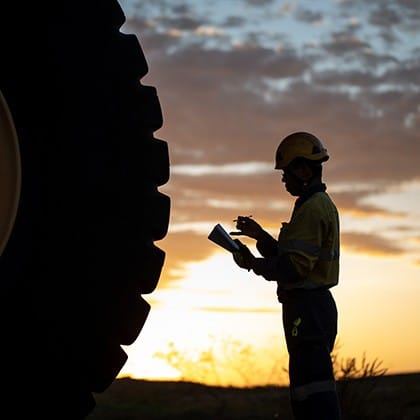
The tire supplier also had access to the same dataset so there was no longer an ongoing stand-off about warranty claims and possible misuse of the tires. They worked together to resolve the root cause of the issue and avoid the leaks that were often leading to tire damage.
This data allowed the team to see exactly what was happening and better understand the root causes of their ongoing tire issues. They quickly learned that a large number of the failures related to issues with old and poorly maintained rims that would repeatedly cause slow leaks that were going undetected. Undetected until it was too late that is.
When maintenance teams took a vehicle out of service to resolve a tire issue, the problem quickly reappeared and caused repeated downtime.
This cycle exposed weaknesses in the company’s operating procedures, which management quickly corrected.
On-site improvement
While this discovery initially created additional costs and work for the tire maintenance team, the fleet-wide rollout is now delivering clear benefits. The mine is experiencing significantly lower downtime and much higher average operating hours for tires, which now closely match the supplier’s original specifications.
The operators have more productive time as they have massively reduced the manual pressure checks. Over time this is likely to be removed almost completely.
The tire supplier is happier, his small investment in the TPMS has cut down warranty claims by over 30% and has allowed the tires to achieve the life that they would expect. The heated meetings that they used to have have been replaced by much calmer meetings that focus more on preventative measures and repairs or replacement of damaged tires that they know couldn’t have been avoided. They will now be looking for a contract extension for the coming years.
Previous TPMS failures
Whilst the mine managers were initially sceptical, they quickly realised the benefits for their team, including the operators. The operators were incentivised by production volume so they also have less wasted time dealing with complex tire and rim issues in order to keep the vehicle running.
After some time, we understood their initial reluctance was due to the company previously using a TPMS system from a Russian supplier that repeatedly gave false alarms and quickly failed in the rugged terrain. These systems were eventually removed.
TMS® demonstrated that a robust, mining grade solution could reliably operate in one of the harshest environments in the world.
Transforming Tire Performance – The Outcome
The environment is extremely demanding, but systems continue to operate reliably. The mine and the tire supplier now have visibility to
- Minimise tire related downtime
- Reduce operator time spent checking tire pressures manually
- Avoid disagreements about tire warranty claims by 30%
- Improve Operating Procedures in order to avoid long standing issues with old and damaged rims
- Achieve expected tire operating hours
ROI and future planning
TMS® provides a comprehensive Return on Investment Calculator capable of modelling complete mining fleets to estimate potential savings from implementing a high-quality TPMS solution. To see the ROI figures for your site, please contact us today.