Vehicles
TPMS for Dump Trucks (Haul Trucks)
One of the most significant users of large OTR tires is the mining industry. Of these tires, many are deployed on Dump Trucks or Haul Trucks. We take a look at these vehicles and how the use of Tire Pressure Monitoring Systems (TPMS) on Dump Trucks can make massive savings in tire costs, fuel costs and production costs.
Most Tier One mines will already be operating TPMS systems, often as part of the tire supply. TPMS technology is now getting specified and used on much smaller mines and quarries. This is because easy to use and install TPMS systems improve reliability and generate huge cost savings.
As tire sizes, payloads, and operating hours increase, TPMS for Dump Trucks become critical to maintain safety, protect assets and, maximise uptime.
What are Dump Trucks, Haul Trucks and RDTs?
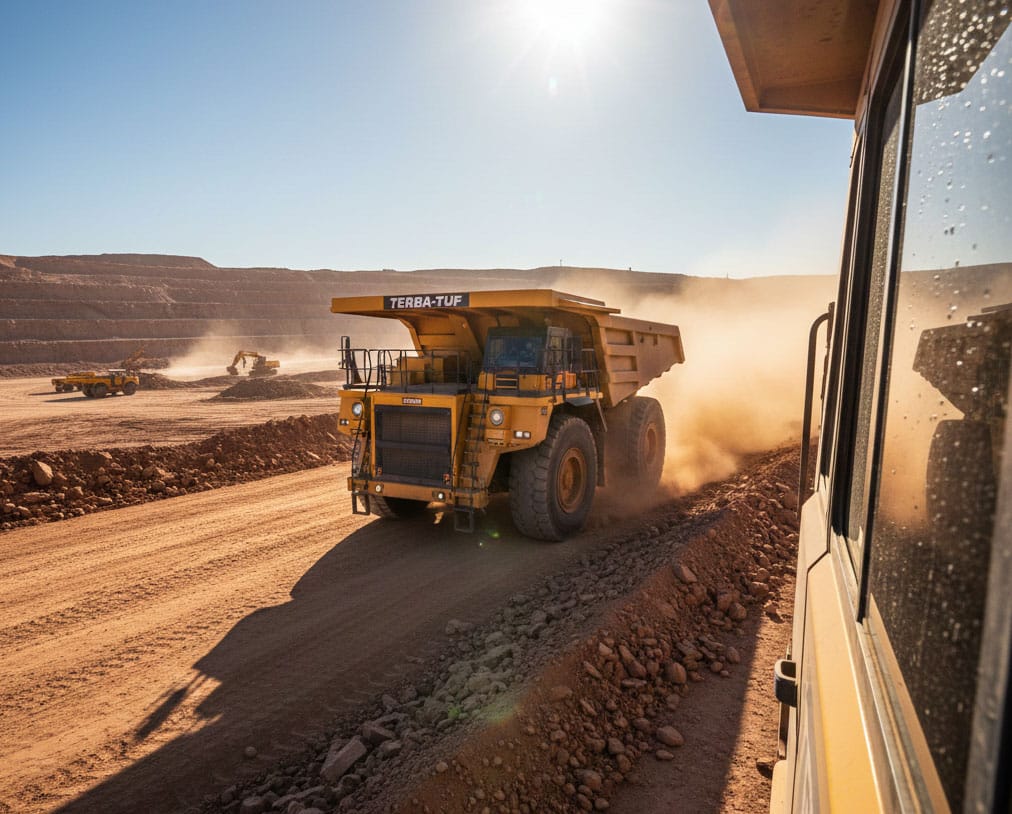
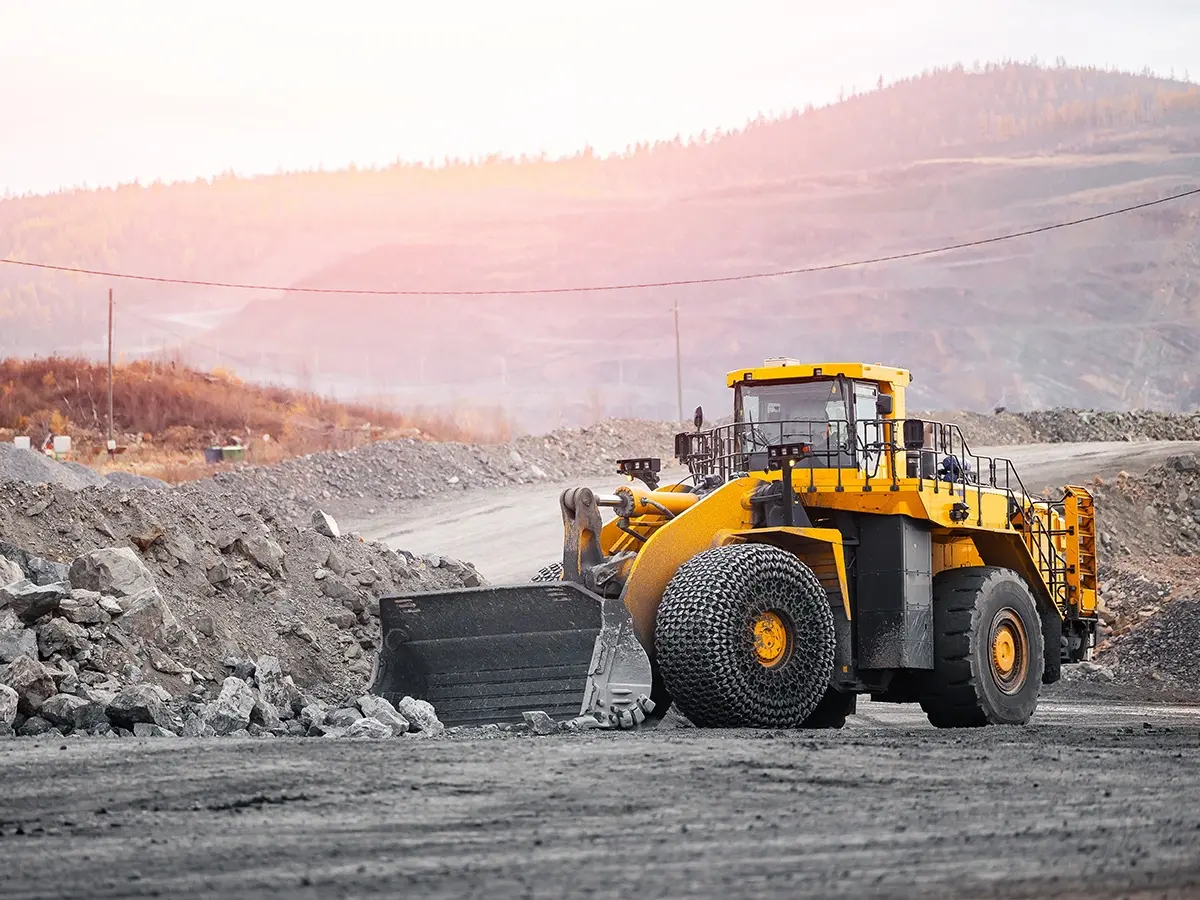
The ubiquitous Dump Truck is the workhorse of open pit mines and large construction sites. It moves millions of tonnes of the earth?s surface from one place to another in some of the toughest conditions around the world. The Ultra-class vehicles in the largest mines have a payload in the 300-400 tonne range and a design that allows them continuous operation on rough terrain.
These vehicles have different names in different regions, such as:
- Dump Trucks
- Haul Trucks
- Rigid Dump Trucks (RDT)
or even the more generic “Mine Trucks”.
In Latin America they often use the abbreviation CAEX (Camión de Alto Tonelaje de Extracción). The terminology is different, but the words all make sense as they?re Rigid (not articulated), they Haul and they Dump.
Just a small number of companys manufacture these trucks:
- Caterpillar (CAT)
- Komatsu
- Liebherr
- Hitachi
- Belaz
With newer, smaller businesses, such as XCMG, Sany, Tonly, growing rapidly.
These machines rely on a small number of extremely large Off the Road (OTR) tires. Each represents a significant cost and plays a critical role in vehicle performance, safety, and availability.
The challenge these sites face
One of the key metrics for all mines and construction sites is volume of earth shifted over time and these Haul Trucks are pivotal to that key metric. Basically, they need to be running reliably at pace as much as they possible can. Any breakdown that takes the vehicle off the road is directly impacting this target volume.
While Dump Trucks are engineering marvels and come jam-packed with sophisticated technology from these leading manufacturers. However, despite of the incredible design and build, things still go wrong. Engineering teams minimise these faults. When faults do occur, they must complete repairs as quickly as possible and return the vehicles back into service.
Tire failures are a major risk for Mine Trucks
One of the most vulnerable components of the Mine Truck is the pneumatic tires. They must support the load, which can be many hundreds of tonnes and often used over a brutal terrain. In light of this tire failures are one of the most common causes of unplanned downtime in Dump Trucks. These failures can result from:
- Incorrect tire pressure
- Heat buildup within the tire
- Overloading or uneven load distribution
- Damage from sharp rocks and rough terrain
When a tire fails on a large Dump Truck, the consequences are significant
- Immediate loss of production
- High replacement and maintenance costs
- Increased safety risks for operators and equipment
How to use TPMS to protect tires and improve uptime
This is where Tire Pressure Monitoring Systems or TPMS for Dump Trucks becomes a key protection for these tires and a critical tool that maintains the highest possible vehicle uptime. TPMS is increasingly seen as essential rather than optional.
The TPMS will constantly monitor the tire pressures and provide real-time data to operators and maintenance teams. The system highlights any tires outside the defined operating conditions and provides a warning. This allows for planning to address the issue, with minimal impact on the site operations. Warnings trigger due to incorrect tire pressure, overheating within the tire, slow leaks, overloading or uneven load distribution. The systems records all the data, time-stamped, for later performance analysis.
The result is:
- Increased uptime
- Lower operating costs
- Improved safety
- Better tire lifecycle management
These notifications can be shown to the operator, or the person responsible for the fleet or the fleet tires (Fleet Manager). On some sites, they are both informed. Managers use the notifications to decide whether to address the issue immediately or program it for a future maintenance schedule.

Benefits of TPMS for Dump Trucks and Mine Trucks
When a tire fails on a Haul Truck, any downtime will result in a loss of production. Tire replacement or repairs will incur costs and there is of course an increased safety risks for operators and vehicles. Installing a TPMS on Mine Trucks gives operators real-time visibility into tire performance. This enables proactive maintenance, improved safety and better overall productivity.
An additional benefit of installing a TPMS on Mine Trucks is the fuel saving from running tires at optimal pressure. Under-inflated tires cause rolling resistance and hence unnecessary excessive fuel consumption. An OTR TPMS provides continuous real-time data on tire pressure, informing operators immediately. Also a TPMS can detect slow leaks early and schedule tires for repair or replacement. Consequently the TPMS ensures mine vehicles maintain optimal fuel-efficient tire pressure.
Fleet monitoring and Data Ownership
A regular system sends the gathered tire data directly from the trucks to a cloud-based server. Users view all of the data on a web portal. Real-time notifications can be provided so that fleet managers can immediately see when a tire is operating outside of defined parameters. This also provides a full audit trail on how the tires have performed and operating parameters over their working life. Therefore all this tire data should remain under the control and ownership of the end user.
TPMS requirements for Dump Trucks and OTR vehicles
Because of the vehicle size, the tire size and the site conditions, it is important to select a TPMS system that is designed specifically for these types of OTR vehicles and applications. A system that was originally designed for small cars, vans or RV is unlikely to survive in this environment and unlikely to provide the features required. A supplier such as TMS®, specialising in TPMS for Dump Trucks and other OTR vehicles, is essential.
Systems are simple to fit, even on the largest of vehicles, and can include either external sensors or, if internal tire temperature is critical, then internal sensors. See our sensor guide on the benefits of each.
TMS® are specialists in TPMS for Dump Trucks, Haul Trucks, RDTs and other OTR vehicles delivering proven performance in extreme environments.
Request a free trial of our TPMS system to prove how it can improve the safety and efficiency of your operation.